
Choosing a new cooking appliance is one of the most important decisions when designing or renovating a kitchen. Among the many options available, the freestanding gas range remains one of the most popular choices because of its versatility, ease of installation, and practical design. Whether you're replacing an older appliance or planning a completely new kitchen, understanding how a freestanding model compares with a slide-in range can help you make a more informed decision.
A freestanding gas range combines a gas cooktop and oven into a single appliance with finished sides and an integrated backguard, allowing it to be installed almost anywhere in the kitchen. Its flexibility, affordability, and wide range of features make it suitable for both everyday cooking and more advanced culinary needs. Understanding the differences between freestanding and slide-in ranges will help you choose the appliance that best fits your cooking habits and kitchen layout.
What Is a Freestanding Gas Range?
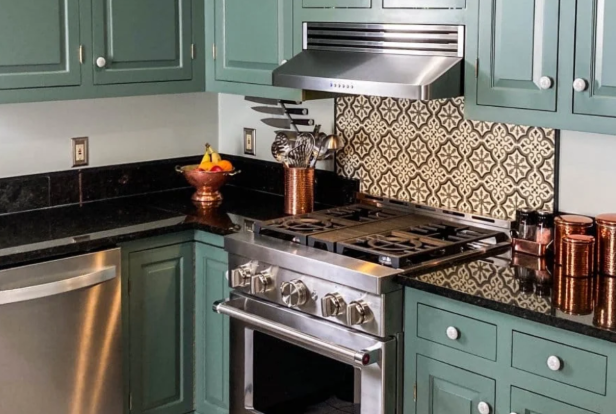
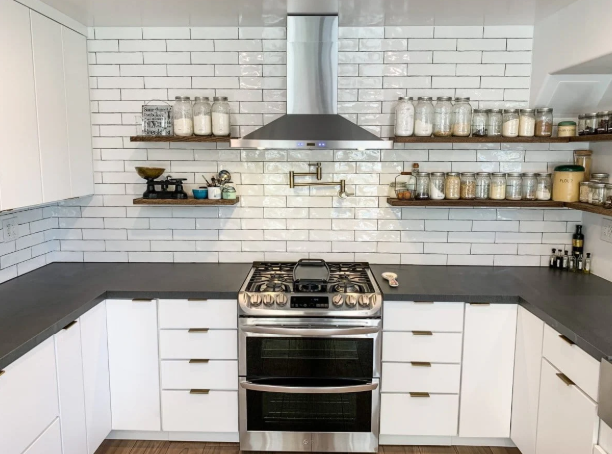
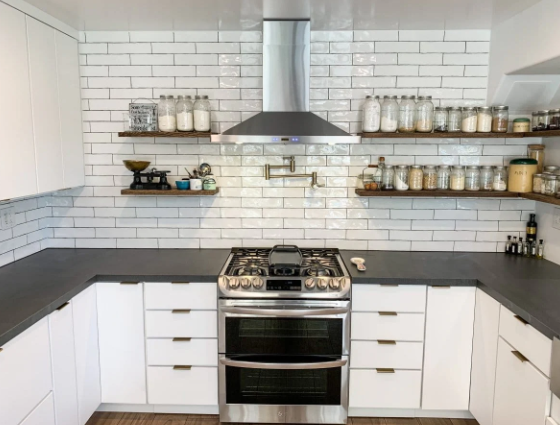
A freestanding gas range is a standalone cooking appliance that includes a gas cooktop above and a gas oven below. Unlike slide-in models, it features finished side panels and a rear control panel, making it easy to install between cabinets or even at the end of a countertop.
Common features include:
Multiple gas burners
Built-in oven
Rear control panel
Finished side panels
Storage drawer on many models
Flexible installation options
Because of its self-contained design, this type of range remains one of the easiest appliances to install or replace.
Freestanding vs. Slide-In Range
While both options provide excellent cooking performance, they differ in design and installation.
Freestanding Gas Range
Finished sides for flexible placement
Built-in backguard
Easier replacement of older appliances
Often more budget-friendly
Suitable for most kitchen layouts
Slide-In Range
Front-mounted controls
Built-in appearance
Fits flush between cabinets
Requires more precise installation
Popular for modern kitchen designs
The best option depends on your kitchen design, budget, and installation requirements.
Benefits of a Freestanding Gas Range
There are several reasons homeowners continue choosing a freestanding gas range over other cooking appliances.
Some of the primary advantages include:
Flexible installation
Wide variety of sizes
Easy appliance replacement
Cost-effective option
Responsive gas cooking
Available in gas or dual-fuel configurations
Its versatility makes it suitable for apartments, family homes, rental properties, and kitchen renovations alike.
Features to Consider Before Buying
Not all gas ranges offer the same capabilities.
When comparing models, consider:
Burner Configuration
Choose a burner layout that matches your cooking style, including high-output burners and low simmer burners.
Oven Capacity
Larger oven interiors provide greater flexibility for preparing multiple dishes simultaneously.
Convection Cooking
Some ranges include convection technology for more even heat distribution during baking and roasting.
Easy-Clean Surfaces
Sealed burners and smooth enamel interiors help simplify routine cleaning.
Choosing the Right Size
Before purchasing a range, carefully measure your available space.
Most residential ranges are available in:
24-inch models
30-inch standard models
36-inch professional-style models
48-inch premium ranges
Selecting the correct size ensures proper installation and sufficient workspace around the appliance.
Installation Tips
Proper installation improves both safety and long-term performance.
Keep these recommendations in mind:
Verify gas supply compatibility.
Ensure adequate electrical connections for ignition.
Follow manufacturer clearance requirements.
Install anti-tip brackets where required.
Confirm proper ventilation for the cooking area.
Professional installation helps ensure compliance with local building codes and manufacturer specifications.
Maintenance Best Practices
Regular maintenance helps extend the lifespan of your appliance.
Recommended maintenance includes:
Clean burner caps regularly.
Wipe cooking surfaces after use.
Inspect gas connections periodically.
Clean the oven according to manufacturer recommendations.
Keep burner ports free of food debris.
Routine care helps maintain cooking performance while reducing unnecessary wear.
Who Should Choose a Freestanding Gas Range?
A freestanding gas range is an excellent choice for homeowners who value flexibility, straightforward installation, and dependable everyday performance.
It is particularly suitable for:
Kitchen remodels
Appliance replacements
Family kitchens
Rental properties
Budget-conscious renovations
Its adaptable design allows it to fit into a wide variety of kitchen layouts without requiring major cabinetry modifications.
Conclusion
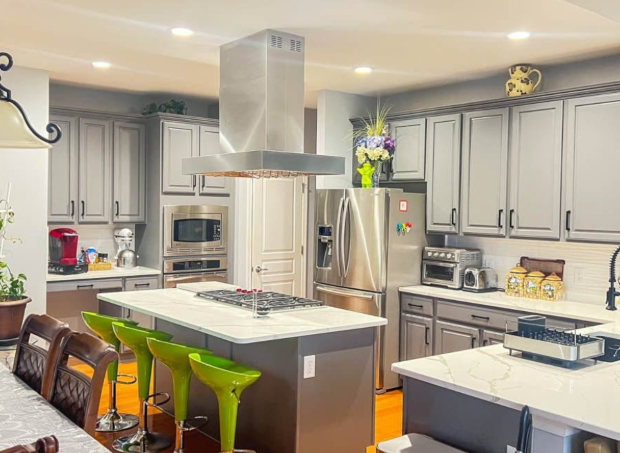
A freestanding gas range offers an excellent combination of versatility, reliable cooking performance, and easy installation, making it one of the most practical choices for modern kitchens. When planning the overall kitchen design, it's also worth considering island kitchen hoods to complement open-concept layouts and create a cohesive, functional cooking space. By comparing features such as burner configuration, oven capacity, installation requirements, and overall kitchen layout, homeowners can select a model that meets both their cooking needs and long-term lifestyle goals.


Write a comment ...