
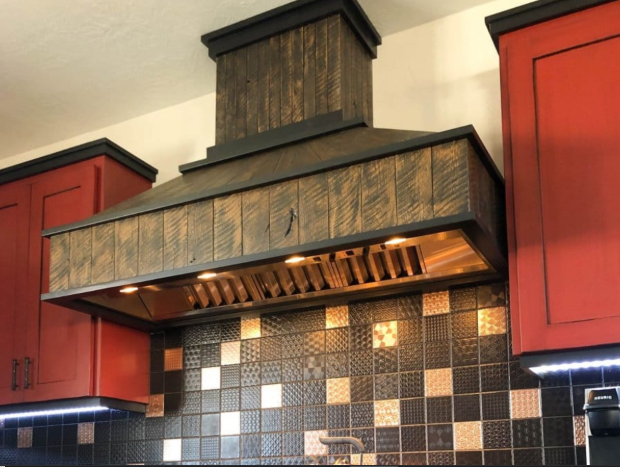
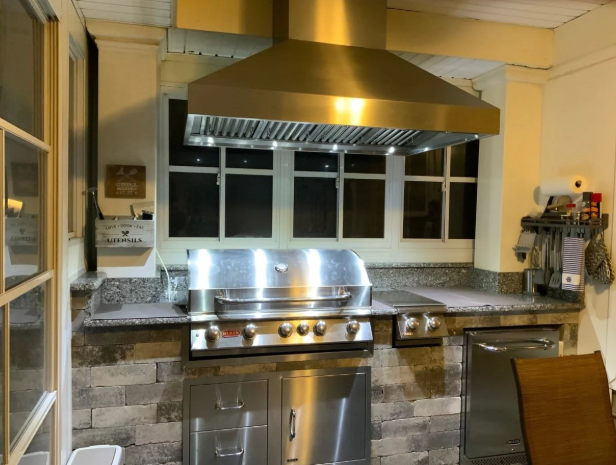
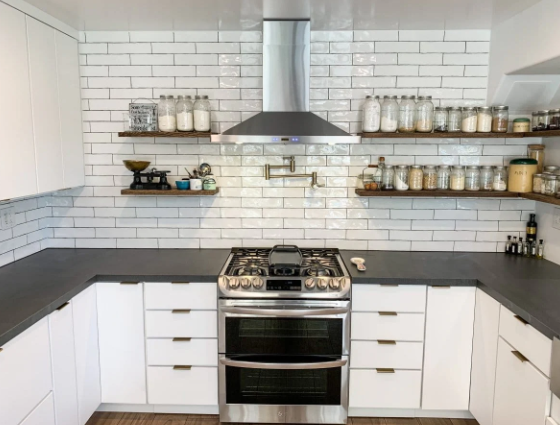
A 30 inch wall mount range hood is designed to provide targeted ventilation for standard-sized cooking ranges while maintaining an efficient wall-mounted configuration. Unlike under-cabinet ventilation systems, wall-mounted models are installed directly above the cooking surface and are often used in kitchens with open shelving, decorative backsplashes, or professional-style layouts. Their elevated chimney design allows them to handle smoke, grease, steam, and airborne cooking particles effectively.
Selecting the correct 30 inch wall mount range hood requires understanding several technical factors, including airflow capacity, blower performance, duct configuration, filtration technology, installation height, and construction materials. While the 30-inch width makes these units suitable for many residential cooktops, proper sizing and installation determine how efficiently the ventilation system performs.
Understanding the Design of Wall-Mounted Ventilation
A 30 inch wall mount range hood works by capturing rising heat, smoke, and grease particles generated during cooking. Since cooking contaminants naturally move upward, the wall-mounted position allows the hood to collect these particles before they spread throughout the kitchen.
These systems are commonly installed above:
30-inch electric cooktops
Gas ranges
Residential ovens
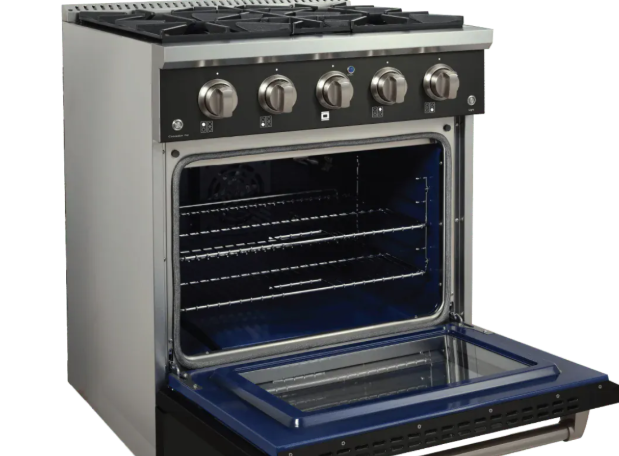
Compact professional-style appliances
The wall-mounted design also creates a streamlined appearance while providing effective ventilation coverage.
Evaluating CFM Requirements
Airflow capacity, measured in Cubic Feet per Minute (CFM), is one of the most important specifications when selecting a ventilation system.
A typical 30 inch wall mount range hood may require different airflow levels depending on cooking habits and appliance output.
General guidelines include:
300–500 CFM for light cooking
500–700 CFM for regular residential use
700–1000 CFM for frequent cooking
1000+ CFM for high-output gas ranges
Choosing the correct CFM rating prevents underperformance while avoiding unnecessary noise and energy consumption.
Ducted and Recirculating Installation Options
A 30 inch wall mount range hood can typically be installed using either ducted or recirculating configurations.
Ducted Installation
Ducted systems remove filtered air completely from the kitchen by exhausting it outdoors.
Advantages include:
Maximum smoke removal
Effective moisture control
Better grease extraction
Reduced indoor odors
Recirculating Installation
Recirculating systems filter air internally before releasing it back into the room.
These systems typically use:
Grease filters
Activated charcoal filters
Multi-stage filtration systems
They are useful in kitchens where exterior duct installation is unavailable.
Importance of Proper Duct Design
The duct system directly affects the performance of a 30 inch wall mount range hood.
Recommended duct installation practices include:
Using rigid metal ductwork
Selecting the correct duct diameter
Reducing unnecessary bends
Keeping duct runs short
Properly sealing connections
Poor duct design can restrict airflow, increase operating noise, and reduce the effectiveness of the blower system.
Blower Motor Performance
The blower motor controls how efficiently air moves through the ventilation system.
Common blower configurations include:
Internal Blowers
Internal blowers are built into the hood body and provide a compact installation solution.
Features include:
Simple installation
Reliable airflow
Suitable for most homes
Inline Blowers
Inline blowers are positioned within the duct system.
Advantages include:
Reduced kitchen noise
Improved airflow management
Flexible installation options
Remote Blowers
Remote blowers are installed outside the kitchen area and are typically used for higher-performance applications.
Filter Technology
Filtration is essential for capturing grease and protecting internal components.
Common filter options include:
Stainless steel baffle filters
Aluminum mesh filters
Charcoal filters
A stainless steel baffle filter is often preferred for heavy cooking because it separates grease effectively while maintaining airflow efficiency.
Routine filter cleaning helps maintain ventilation performance and prevents grease buildup.
Installation Height Requirements
The mounting height of a 30 inch wall mount range hood directly influences capture efficiency.
Typical installation recommendations include:
24–30 inches above electric cooking surfaces
30–36 inches above gas ranges
Installing the hood at an incorrect height can reduce smoke capture and affect overall performance.
Proper installation should also consider:
Ceiling height
Cooking surface size
Hood depth
Manufacturer specifications
Local ventilation requirements
Construction Materials and Durability
Material quality affects the lifespan and maintenance needs of a ventilation system.
Common materials include:
304 stainless steel
430 stainless steel
Tempered glass panels
Heavy-duty metal housing
Stainless steel remains a popular choice because it provides corrosion resistance, heat durability, and easy cleaning.
Maintenance Requirements
Regular maintenance keeps a 30 inch wall mount range hood operating efficiently.
Important maintenance tasks include:
Cleaning grease filters regularly
Inspecting blower operation
Removing grease buildup
Cleaning exterior surfaces
Checking duct connections
Replacing charcoal filters when required
A consistent maintenance schedule helps prevent reduced airflow and extends equipment lifespan.
Factors to Consider Before Purchasing
Before selecting a 30 inch wall mount range hood, homeowners should evaluate:
Cooktop width
Cooking frequency
Required CFM rating
Duct availability
Kitchen layout
Filter type
Noise expectations
Installation requirements
Matching these specifications with the kitchen environment ensures reliable ventilation performance.
Conclusion
At Proline Range Hoods, we focus on engineering ventilation solutions that combine efficient airflow, durable construction, and reliable performance for modern kitchens. Choosing the right 30 inch wall mount range hood requires careful evaluation of CFM ratings, duct configuration, blower technology, filtration systems, and installation requirements to achieve consistent and effective kitchen ventilation.

Write a comment ...